
The Rise of Peer-to-Peer Betting and Community-Driven Marketplaces
For decades, betting and trading felt like a one-way street. You faced off against a monolithic bookmaker or a faceless exchange. The odds were set by them, the rules were theirs, and the house always had a built-in edge. It was a take-it-or-leave-it proposition.
Well, that model is getting a serious shake-up. A new wave of platforms is emerging, turning that street into a bustling town square. We’re talking about the rise of peer-to-peer (P2P) betting platforms and community-driven marketplaces. Honestly, it’s less about placing a bet and more about creating a market yourself.
What Exactly Are We Talking About Here?
Let’s break it down simply. Traditional betting: you bet against the house. Peer-to-peer betting: you bet against another person. The platform just facilitates the match, like eBay for predictions. Community-driven marketplaces take this further—they often let users propose their own, well, anything. Will a specific startup get funded? How many copies will that indie game sell? You know, the niche stuff big bookies ignore.
The core shift is from consumption to participation. Users aren’t just customers; they’re market makers, odds-setters, and community moderators. This creates a dynamic, almost organic ecosystem where value is defined by the collective, not a corporate algorithm.
The Engine Behind the Shift: Why Now?
Several powerful currents converged to make this possible. It wasn’t just one thing.
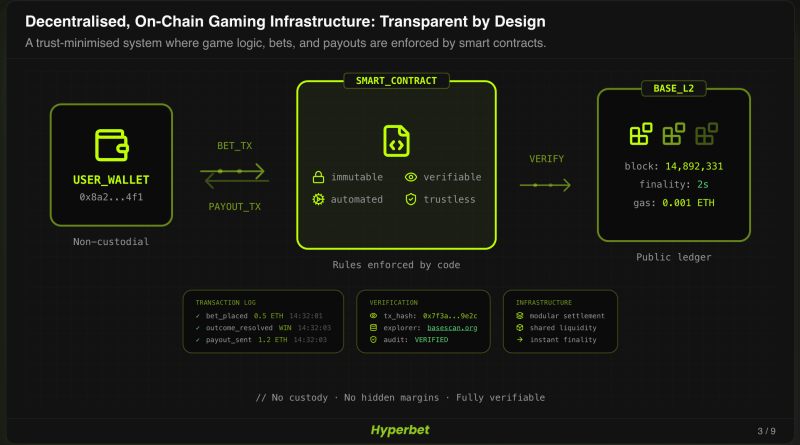
- Blockchain & Smart Contracts: This is the big one. These technologies provide the trustless backbone. Funds are held in escrow by code, and payouts are automatic. It removes the need for a central authority to “settle” the bet, cutting out massive overhead and, frankly, skepticism.
- Demand for Niche Markets: People have passions beyond sports. Politics, tech, entertainment, climate outcomes. Mainstream sites offer limited coverage. P2P platforms thrive on these long-tail interests—where the community’s knowledge sets the price.
- Distrust in Traditional Odds: There’s a growing sense that traditional betting margins are just too high. By cutting out the middleman, P2P can offer better value. Both parties can agree on odds that feel fair, a bit like haggling in a bazaar.
- The “Social” Layer: We live in a world built on social feeds and forum discussions. Wagering becomes an extension of a debate. “Oh, you’re so sure? Put your money where your post is.” It adds a tangible stake to online conversation.
The Good, The Challenging, and The Human Element
This model isn’t all roses, of course. The benefits are compelling, but the challenges are real. Let’s lay them out.
| Advantages | Challenges & Considerations |
| Better Odds/Value: Lower fees mean more potential return for winners. | Liquidity Risk: Finding a peer to match your niche bet can be hard. |
| Market Freedom: Bet on virtually any verifiable outcome. | Dispute Resolution: Settling “gray area” outcomes without a central judge is tricky. |
| Community & Trust: Reputation systems build accountability. | Regulatory Gray Area: Laws are scrambling to catch up to this decentralized model. |
| Transparency: Blockchain-based transactions are publicly verifiable. | User Responsibility: The onus is on you to assess the counterparty’s credibility. |
That last point on challenges is key. It introduces a very human element. You’re not just analyzing an event; you’re subtly assessing the person on the other side. Why do they hold their position? What do they know? It adds a layer of psychological gameplay that’s absent when you’re just clicking a button set by an odds compiler in an office somewhere.
Where This is All Heading: The Community Takes the Wheel
So what’s the future look like? The trajectory points toward even greater democratization. We’re already seeing platforms where governance tokens give users a vote on platform rules, fee structures, and which new markets to launch. It’s a co-operative, owned and steered by its most active participants.
Think about prediction markets for local events, or for scientific breakthroughs. A research lab could raise funding by letting the community bet on their success. A content creator could let fans wager on their next video’s view count. The lines between betting, investing, forecasting, and social gaming are blurring into something new.
That said, the model won’t replace the thrill of the traditional sportsbook for everyone. And it shouldn’t. But it creates a vital parallel space. One that values collective intelligence over institutional gatekeeping. It turns speculation from a solitary act into a networked conversation—a conversation with real skin in the game.
The rise of these platforms is, in the end, a story about giving agency back to networks of people. It’s messy, it’s experimental, and it’s incredibly revealing. It asks a fundamental question: what do we, as a crowd, truly believe will happen next? And how much are we willing to stake on that belief? The market, now, is literally us.