
Deep Dive into Regional Casino Markets and Emerging Regulatory Landscapes
Let’s be honest—the world of casinos isn’t just Las Vegas and Macau anymore. Not even close. The real action, the fascinating shifts, are happening in regional markets. These are the places where local culture, economic need, and new laws are colliding to create something… unpredictable.
Think of it like this: if global gaming hubs are the major highways, regional markets are the complex, ever-changing network of backroads and new streets being paved. Navigating them requires a local map and an eye on the weather report—that report being the regulatory landscape, which is shifting faster than ever. So, let’s dive in.
The Allure of the Regional Playground
Why are operators and investors so fixated on regional markets? Well, saturation for one. The big destinations are, frankly, packed. The growth potential—and often, the profit margins—lie in understanding localized demand. A casino in the Midwest U.S. serves a completely different clientele than one in Manila or in Eastern Europe.
It’s about convenience, community, and a specific kind of entertainment appetite. These markets aren’t about week-long vacations; they’re about a night out, a social hub, a localized economic engine. That connection to the community is everything—and it’s what makes them both resilient and sensitive to regulatory changes.
Spotlight on Key Regional Battlegrounds
You can’t talk about this without looking at specific maps. Here’s where the chess game is most intense right now:
- U.S. Sun Belt & Midwest: States like Virginia, Ohio, and even the nuanced tribal compacts in places like Florida and California are hotbeds. The driving force? Tax revenue for state budgets. It’s a classic deal: states need money, operators want access, and the public wants… well, that’s where the debate gets messy.
- Asia-Pacific (ex-Macau): This is the big one. Think integrated resorts in Singapore, the cautious, massive potential of Japan, and the booming, sometimes chaotic scenes in the Philippines and Vietnam. Each has a wildly different regulatory philosophy, from Singapore’s ultra-strict, two-license model to the more fluid approaches elsewhere.
- Europe’s Fragmented Patchwork: Honestly, it’s a regulatory maze. The UK’s Gambling Commission is tightening the screws with affordability checks. Germany’s new Interstate Treaty is, well, confusing everyone with its betting limits and advertising restrictions. Meanwhile, emerging markets in the Balkans are trying to attract investment with lighter touch rules—for now.
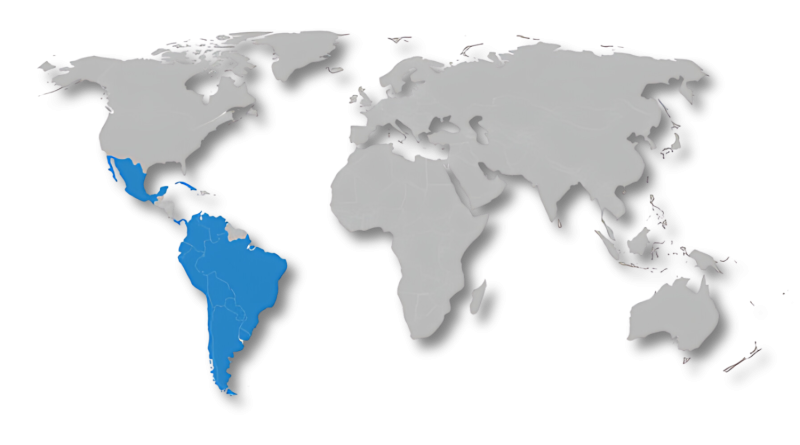
- Latin America’s Cautious Opening: Brazil is the elephant in the room. After years of debate, the legalization of sports betting and the potential for casinos could create the largest new market in a generation. Colombia, meanwhile, has established itself as a regulated online gaming leader in the region.
The Regulatory Whirlwind: What’s Driving the Change?
Gone are the days of “set it and forget it” licensing. Regulators are now reactive, proactive, and under immense public pressure. Here’s the deal: the core drivers of this new regulatory landscape are universal, even if the rules themselves are not.
| Driver | What It Means | Regional Example |
| Consumer Protection | A shift from pure tax collection to safeguarding players. Think mandatory spending limits, self-exclusion registers, and stricter advertising codes. | The UK’s proposed “frictionless” affordability checks on bettors. |
| Tech & Innovation | Regulators scrambling to keep up with crypto, skin betting, and AI-driven personalization. The rules are always playing catch-up. | How various states in the U.S. are handling (or ignoring) cryptocurrency deposits. |
| Revenue & Integrity | Balancing the state’s cut with ensuring games are fair and crime-free. It’s a constant tug-of-war. | Germany’s controversial tax rate and its unintended consequences on the black market. |
| Social License | The public’s tolerance. As problem gambling gets more media attention, regulators must respond or face backlash. | Australia’s blanket ban on credit card use for online wagering. |
The Operator’s Tightrope Walk
For companies on the ground, this landscape is a nightmare and an opportunity rolled into one. Compliance is no longer a back-office function—it’s the core business strategy. One misstep in a new regional market can mean losing a license, or worse, a permanent black mark.
They have to juggle local partnerships, understand cultural nuances (what’s a normal promotion in one country is predatory in another), and build tech stacks flexible enough to adapt to a new rule that might drop next quarter. It’s exhausting. And the cost? Massive. But the reward for getting it right in a place like Brazil or Japan is a foothold in a market that could pay dividends for decades.
What’s Next? The Crystal Ball is Cloudy
Predicting the future here is a fool’s errand, but we can see the contours. A few things seem almost certain.
First, harmonization will be a buzzword, but a distant reality. Sure, regions like the EU might try to align rules, but national interests and social more will always trump a one-size-fits-all approach. We’ll see clusters of similar regulations, not a global standard.
Second, the rise of the “phygital” experience. The line between a physical regional casino and its online extension will vanish. Your loyalty points, game history, and rewards will flow seamlessly from the casino floor to your phone. Regulators will have to license and oversee not a place, but an ecosystem.
Finally, and this is crucial: the social responsibility metric will become the key performance indicator. It won’t just be about revenue and jobs created. Operators will be judged—and relicensed—on how well they promote safer gambling, fund treatment, and integrate into the community as a responsible partner, not just a cash machine.
So, where does that leave us? In a world where the most successful players won’t be the biggest gamblers, but the most attentive listeners. Those who listen to regulators, to communities, and to the shifting winds of public opinion. The regional casino market isn’t a gold rush; it’s a long, complex conversation. And the stakes for getting the words right have never been higher.